Is Your Summer Salad Safe to Eat? Everything You Need to Know About the Current Cyclospora Outbreak (for a summer that’s fun and still full of fiber!)
With summer in full swing, many of us are craving fresh salads, subs packed with shredded lettuce, and berries that are sweet and refreshing. Unfortunately, headlines of a growing Cyclospora outbreak have many of us reevaluating what produce we’re putting on our plates. Cyclospora, a parasite that contaminates water and therefore any produce washed with that water, causes watery, sometimes explosive diarrhea among some other unpleasant symptoms. That’s certainly enough to make anyone wary of their summer salads and brightly colored berries at the moment. Recent, and confusing, headlines about a Taylor Farms recall and a false positive test have left us all looking for answers when it comes to knowing what to buy and what to leave on the shelf. Read on to learn more about the latest updates on Cyclopsora, what symptoms to look out for, and how to keep yourself safe from major tummy troubles while still keeping fruits, vegetables, and fiber on your plate this summer.
What is Cyclospora?
Cyclospora is a microscopic parasite that causes an intestinal infection called cyclosporiasis. People become infected by eating raw produce or water that has been contaminated with the parasite. Products such as lettuce, herbs, and berries are some of the foods that are more commonly contaminated. Cyclospora cannot be washed off from produce- the only way to kill it is to heat it to temperatures at 158 degrees Fahrenheit or hotter.
What is the Latest Update?
There are currently nearly 7,500 confirmed and suspected cases of Cyclospora spread across 34 states, in the outbreak that started on May 1, 2026. Even with the confusing headlines about recalls and false positives, the current recommendation from the FDA is to avoid eating iceberg lettuce grown or processed by Taylor Farms in Mexico. This sounds simple enough, but is significantly complicated by the fact that Taylor Farms lettuce products are distributed to many retailers and restaurants under multiple brands, making it very difficult to track how far and wide the lettuce products have been distributed across the country. Costco, Target, and Walmart are some of the popular retailers that sell Taylor Farms lettuce products. Additionally, Taylor farms supplies some fast food chains, such as Taco Bell and Jack in the Box, with their lettuce. Sysco and US Foods are major suppliers that provide lettuce from Taylor Farms for schools and hospitals.
On July 17, 2026, Taylor Farms initiated a voluntary recall of all iceberg lettuce sourced from their location in central Mexico. The recall of about three dozen products includes iceberg and shredded lettuce sold at retail stores and restaurants in 27 states. Taylor Farms has stated that for the remainder of the growing season, they will no longer be sourcing their iceberg lettuce from their central Mexico location. If you’ve purchased any of the recalled products, throw it away or return it to the store. Taco Bell was able to confirm that the lettuce was sold in Indiana, Kentucky, Michigan, Ohio, and West Virginia, and is no longer using the lettuce. At Walmart, where their lettuce is sold under the “Marketside” brand, the products have also been pulled from the shelves.
On July 18th, a lettuce sample from Taylor Farms tested positive for Cyclospora, but that test was then found to be a false positive the following day. As of July 19th, there are no confirmed positive results for samples tested for cyclospora, but the FDA is still working with Taylor Farms as it continues to investigate the source of the outbreak. The FDA has stated that there is still enough data, collected from interviews and tracked symptoms of those who have gotten sick, to support the voluntary recall by Taylor Farms.
Is It Safe to Eat Lettuce Right Now?
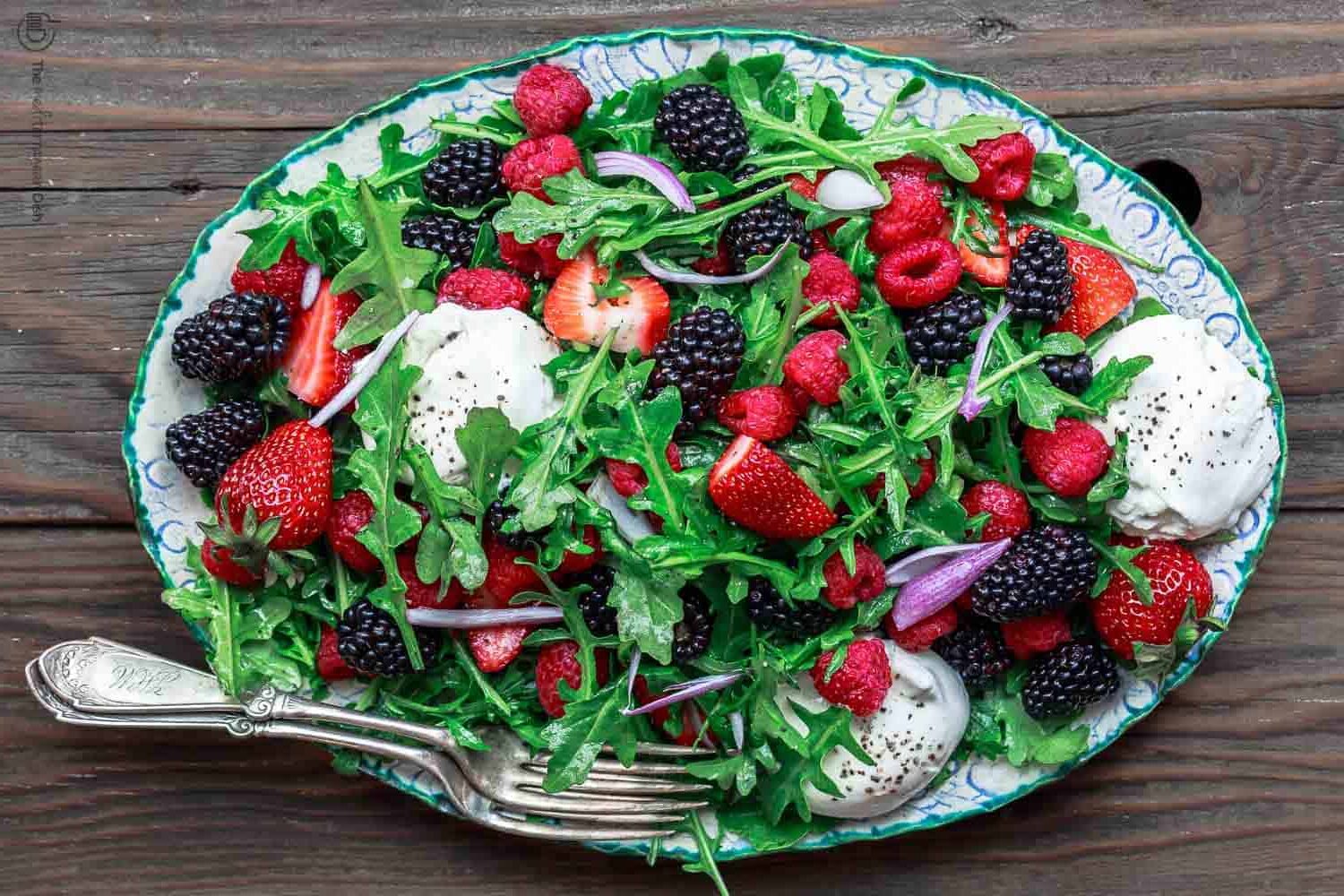
How safe it is for you to eat lettuce, or any other high-risk produce, depends on your risk tolerance as well as where you live. To ensure you definitely will not get sick with Cyclosporiasis, avoid all lettuce products, and eat only fruits and vegetables that have been cooked to at least 158 degrees Fahrenheit, as that kills the parasite. Homemade jam is a great way to use up any fresh berries that may be sitting in your fridge. In the meantime, focus on canned vegetables and legumes like beans and chickpeas. These high-fiber items are often overlooked- this summer may be the summer of bean salads! Anything with a thick outer skin or peel, like oranges, bananas and avocados, should be safe, but be sure to rinse and scrub the outside well with something like a produce brush before cutting into them. If you can tolerate a more “medium level” risk, and you want to go ahead and eat leafy greens, there’s some precautions you should take. If you buy a whole head of lettuce, remove and discard the outer layer first and wash thoroughly before consuming. This does not eliminate the risk of illness, but may help to reduce it slightly. It’s best to shop for lettuce that’s locally grown at farmer’s markets, as that significantly decreases the chance of contamination. Bagged, pre-chopped salad kits are likely too risky right now to fit a “medium level” risk. The highest risk behavior right now would be to consume raw leafy greens from bagged, pre-chopped lettuce and salad kits, and out at restaurants where you are unsure of the supplier for any of the restaurant’s leafy greens. Additional produce that has been contaminated in past outbreaks, and is therefore high risk in this current outbreak while investigations remain ongoing, includes raspberries, snap and snow peas, and fresh herbs such as cilantro and parsley. It is certainly possible that none of these foods are linked to the outbreak, but until the source is confirmed, we can’t know for sure. Eating any of these products raw would certainly still be high-risk behavior.
What are the Symptoms of Cyclosporiasis?
If you’re currently racking your brain trying to think about all of the fresh produce you’ve eaten recently, you should know the symptoms to look out for. The incubation period for cyclosporiasis is two to fourteen days, meaning that symptoms can show up as quickly as two days after contaminated produce is consumed but can take up to two weeks. Typically, symptoms appear about one week after the parasite has been consumed. Symptoms can appear, then get better, and then get worse again if not treated. Symptoms include the following:
- Frequent, watery, explosive diarrhea
- Severe abdominal cramping
- Extreme fatigue
- Loss of appetite
- Ongoing nausea
How is Cyclosporiasis Diagnosed and Treated?
If you suspect you may have cyclosporiasis, diagnosis requires a specific stool test. It is important to note that routine parasite testing will miss the Cyclospora parasite, so you have to ask your doctor for the specific one that will test for Cyclospora. The parasite can be cleared on its own, but symptoms can last over a month and can result in severe dehydration and hospitalization. If you develop any of the symptoms, seek a stool test for diagnosis so that you can get the specific antibiotics to treat it as quickly and effectively as possible.
This outbreak is absolutely making us all think twice about where our produce is coming from this summer, as well as how we can change up our meals to incorporate some new foods. Until an exact source can be narrowed down and confirmed, eating raw greens and berries from big-brand companies may just not be worth the risk. For the safest route, opt to cook any fresh produce to at least 158 degrees Fahrenheit, and add canned fruits and vegetables to your routine. Grilled vegetables, like peppers, onions, and asparagus, are a great addition to a summer dinner menu. Homemade jam is a creative way to cook any fresh berries, as well as grilled fruit like peaches and pineapple. Canned fruits and vegetables are incredibly high in vitamins, fiber, and flavor, and they last much longer than fresh produce. And if you want to risk the fresh produce, anything from small, local farmers is likely a much safer option. Shopping small is a great way to support your community and your health! Fresh lettuce may be (mostly) off the table for a bit this summer, but fiber and nutrition don’t have to be.
Sources:
https://www.cdc.gov/cyclosporiasis/outbreaks/07-26/index.html\
https://www.theguardian.com/thefilter-us/2026/jul/17/how-to-clean-vegetables-cyclospora
https://www.businessinsider.com/when-salad-greens-safe-to-eat-cyclospora-experts-2026-7
Blog written by Sarah Davis, MS, RDN for The Academy of Nutrition and Dietetics.