Back to School, Back to the Lunchbox: How to Pack a Lunch That’s Nutritious, Safe, and Actually Gets Eaten
School is starting, schedules are changing, and the lunchbox is back. Here’s how to make school day nutrition a little easier, a lot less stressful, and actually enjoyable.
With the return of school comes the return of routines, earlier mornings, after school activities, homework, and, for many families, the daily question,: “What am I packing for lunch?” The good news is that school year nutrition does not have to be perfect to be nutritional. In fact, the best approach is usually one that is simple enough to actually stick with!
The Lunchbox Does NOT Need to Be Perfect
There is a lot of pressure surrounding what goes into a child’s lunchbox. Social media has given us elaborate bento boxes, fruit cut into flowers, sandwiches shaped like cartoon characters, and enough tiny compartments to make lunch look like a work of art. But your child’s lunch does not need to look like Pinterest to be nutritious.
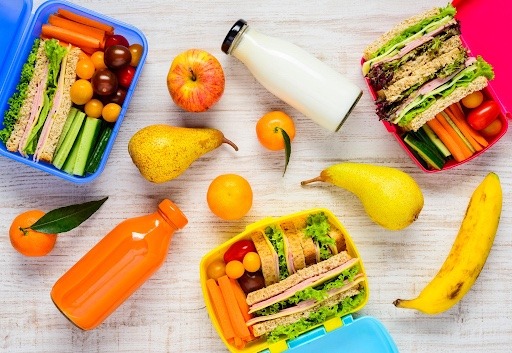
A well rounded lunch generally includes a combination of protein, carbohydrates, fruits and/or vegetables, and a source of fat. That could look like a turkey and cheese sandwich with grapes and cucumbers. It could be leftover chicken and rice with roasted vegetables. It could be crackers with hummus, cheese, fruit, and a hard-boiled egg. It could even be a combination of foods that looks completely random to an adult but makes perfect sense to a seven-year-old. Nutrition is about the overall pattern, not whether every individual lunch checks every box. There is plenty of room for flexibility.
The Most Nutritious Lunch Is the One They Actually Eat
This may be one of the most important things to remember when packing a lunch. A balanced lunch that comes home untouched is not necessarily more nutritious than a lunch your child happily eats. If your child refuses broccoli, sending broccoli every day in the hope that they will eventually surrender probably isn’t the most peaceful strategy. Instead, continue offering foods without making eating them a requirement. Pair foods they already enjoy with foods they are still learning to like.
For example, if a child loves crackers but is unsure about hummus, try offering the hummus alongside the crackers. If they love apples but aren’t interested in carrots, keep offering both. Children can need repeated exposure to new foods before accepting them, and allowing them to have some choice can make trying unfamiliar foods less intimidating. The CDC recommends offering new foods alongside familiar favorites and allowing children to choose among options. The goal is to help children develop a comfortable, varied relationship with food over time.
And Then There is the Question of School Lunch
Packing from home is not the only way to eat a nutritious lunch. School meals are often overlooked in conversations about healthy eating, but they can be an important source of nutrition for children. The National School Lunch Program and School Breakfast Program are designed to provide meals that meet federal nutrition requirements, including components such as fruits, vegetables, whole grains, and protein foods. For some families, school breakfast and lunch also provide important food access and take some of the pressure off an already busy morning.
Let’s Not Forget About Food Safety
There is one part of lunch packing that is less fun than choosing the perfect snack but arguably much more important: keeping food at a safe temperature.
Foods such as meat, poultry, eggs, dairy products, and other perishable foods should be kept cold during the school day. The USDA recommends using an insulated lunch bag with at least two cold sources, such as frozen gel packs or frozen water bottles. Perishable foods should not sit at room temperature for more than two hours or more than one hour when the temperature is above 90°F. In other words, if that turkey and cheese sandwich has been sitting in a backpack since 7:30 a.m. with no ice pack, it may be time for a new lunch strategy. Frozen water bottles are an especially easy option because they serve two purposes: they help keep the lunch cold and become a cold drink by lunchtime.
Hydration Belongs in the Backpack Too
After a summer filled with water bottles, pool days, and hot weather, hydration can become surprisingly easy to overlook once school begins. Water is a simple everyday choice, and sending a reusable water bottle can make it easier for children to drink throughout the school day. Milk and unsweetened, fortified dairy alternatives can also contribute important nutrients depending on a child’s needs and preferences.
So, What Actually Goes in the Lunchbox?
Instead of trying to come up with a completely different lunch every day, think of the lunchbox as a mix-and-match meal. Start with a protein, add a carbohydrate, include a fruit or vegetable, and round it out with a source of healthy fat when it makes sense. Then add some hydration and call it a day.
Pick a protein: Turkey, chicken, eggs, Greek yogurt, cheese, hummus, beans, tofu, tuna, chicken salad, or nut/seed butter.
Pick a carbohydrate: Whole grain bread, pita, tortilla, crackers, pasta, rice, potatoes, etc.
Pick a fruit/vegetable: Apples, berries, grapes, melon, oranges, carrots, cucumbers, bell peppers, snap peas, or whichever your child’s favorite is!
Add a little something extra: Applesauce, oatmeal cookie, granola, or any sweet treat!
Keep it Simple & Nourishing
As September gets into full swing and backpacks make their way back to the front door, remember that school year nutrition does not have to be perfect to be nourishing. Some lunches will be carefully planned, some will be leftovers and some may be thrown together five minutes before the bus arrives. There will be vegetables that come home untouched and days when the sweet treat is the most exciting part of the meal. That’s all part of it. The goal is not to pack the perfect lunchbox — it’s to give kids a variety of foods, enough fuel to get through their day and a positive relationship with eating along the way. So pack the sandwich, toss in the fruit, add something sweet and send them off to school. The lunchbox doesn’t have to be perfect, it just has to make it out the door.
Sources
- USDA Food Safety and Inspection Service: Keeping “Bag” Lunches Safe
- USDA Food Safety and Inspection Service: Pack It Safe, Pack It Smart
- CDC: School Meals
- CDC: Time For Lunch
- FDA: Back to School – Tips to Reduce Food Waste
Blog written by Sophia Velocci, MS, RDN for the Academy of Nutrition and Dietetics.